
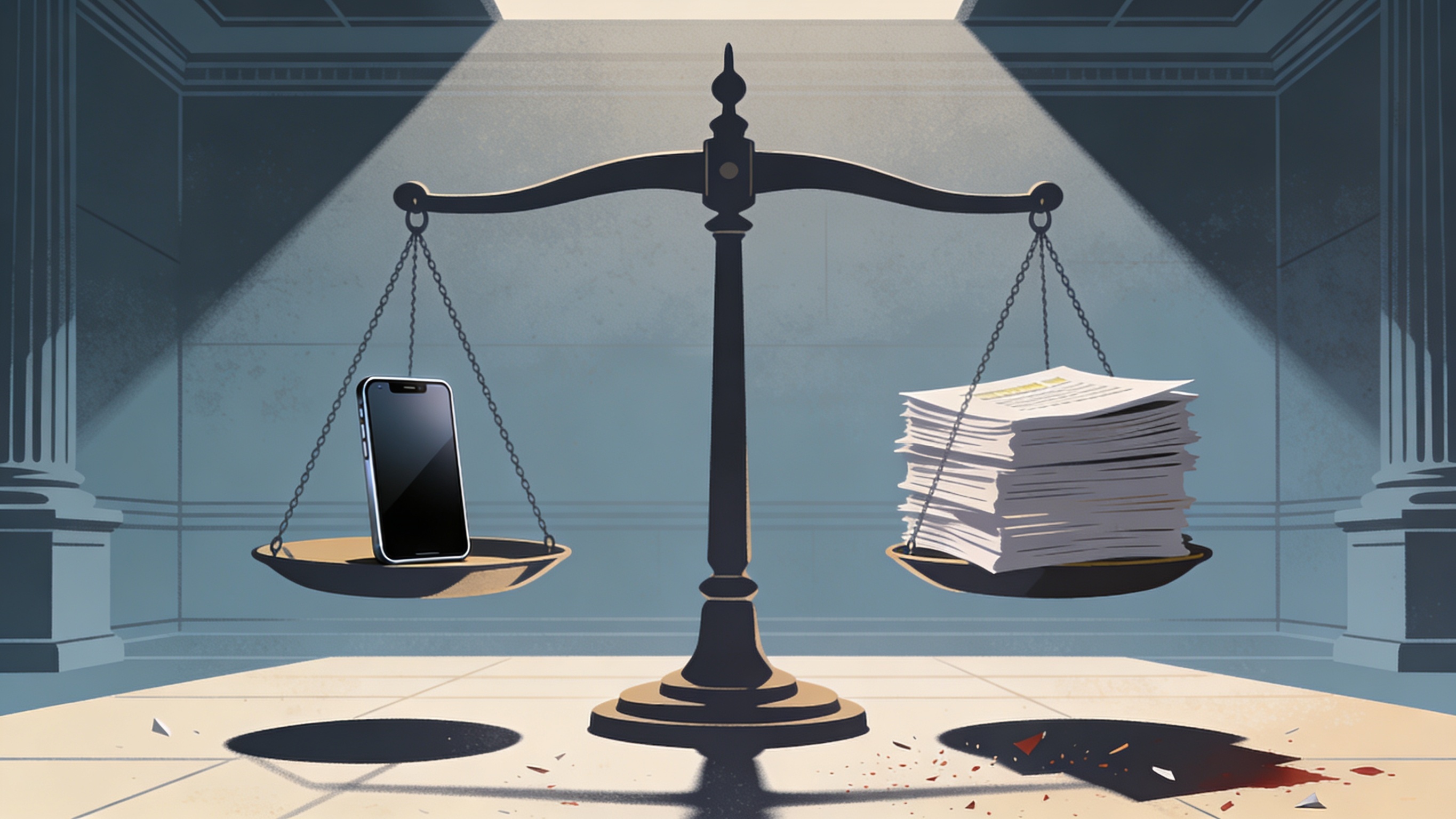
Marketing a product on the strength of features that do not yet exist is a bet most brands make quietly and get away with. Apple made it loudly, in front of millions of iPhone buyers, and is now writing a $250 million check to close the chapter. The settlement, first reported by the Financial Times and confirmed by TechCrunch, is one of the cleaner examples of what happens when brand ambition outpaces product delivery at scale.
The core tension here is not purely legal. It is about the credibility cost of a brand that has long positioned itself as the benchmark for quality and follow-through. When Apple Intelligence was announced at WWDC in 2024, the accompanying marketing implied that a significantly upgraded Siri was close. For a company whose identity depends on the promise that things simply work, promising things that do not work yet is a meaningful brand failure.
What the Lawsuit Actually Claimed
The class action alleged that Apple created the impression that advanced AI capabilities, particularly the promised improvements to Siri, would be available to users sooner than they actually were. Plaintiffs argued this amounted to false advertising that influenced purchasing decisions. The complaint covered U.S. customers who bought an iPhone 15 or iPhone 16 between June 10, 2024 and March 29, 2025. Under the proposed settlement, eligible customers could receive up to $95 per device. Apple did not admit wrongdoing.
The Siri Gap No One Could Ignore
Apple has been publicly committed to a more advanced Siri since the 2024 WWDC unveiling of Apple Intelligence. The anticipated upgrades were meant to position Siri alongside modern AI chatbots such as ChatGPT or Claude. As of the settlement filing, those improvements had yet to fully materialize. Reports now suggest the upgraded Siri experience could be powered by Google Gemini, while newer reporting indicates iOS 27 may allow users to choose from a range of third-party large language models entirely. The destination keeps shifting.
When Feature Announcements Become Liability
The lawsuit reframes a practice that is standard across the tech and consumer electronics industry: announcing capabilities before they are ready to ship. For most companies, the consequence is reputational. For Apple, given the price point of its devices and the directness of its marketing, the consequence became legal. The $250 million figure is not catastrophic for a company of Apple's scale, but the precedent it sets matters. Buyers can now argue in court that feature-forward marketing influenced a purchase decision.
The Brand Premium Cuts Both Ways
Apple charges a premium in part because it signals reliability. That signal works in its favor when products deliver. It works against the brand when they do not, because the expectation gap is proportionally larger. Competitors who ship with explicit beta labels or staged rollouts carry less brand equity but also less exposure. Apple's marketing rarely hedges. That confidence is a brand asset until it becomes a legal exhibit.
Timing and the WWDC Pressure
The settlement lands roughly a month before Apple's annual developer conference, scheduled for June 8, where the company is expected to preview its AI-enhanced Siri. The timing is not coincidental pressure so much as structural irony. Apple is preparing to re-announce progress on the same feature set that generated the lawsuit. Whether the June 8 showing is substantive enough to shift perception depends entirely on what ships, not what is previewed.
Apple's choice to settle rather than litigate suggests the company judged that prolonged legal exposure around its AI marketing claims was a worse outcome than a defined financial settlement. The case is closed. The product question is not.
If the June 8 developer conference delivers a Siri that functions as originally described, the $250 million may read as the cost of a delay rather than a deeper strategic failure. But if the upgraded assistant remains partial or dependent on third-party models users have to configure themselves, the brand problem outlives the legal one. For creative and marketing professionals, the lesson is older than AI: the most expensive marketing decision you can make is promising something your product team cannot yet support.