
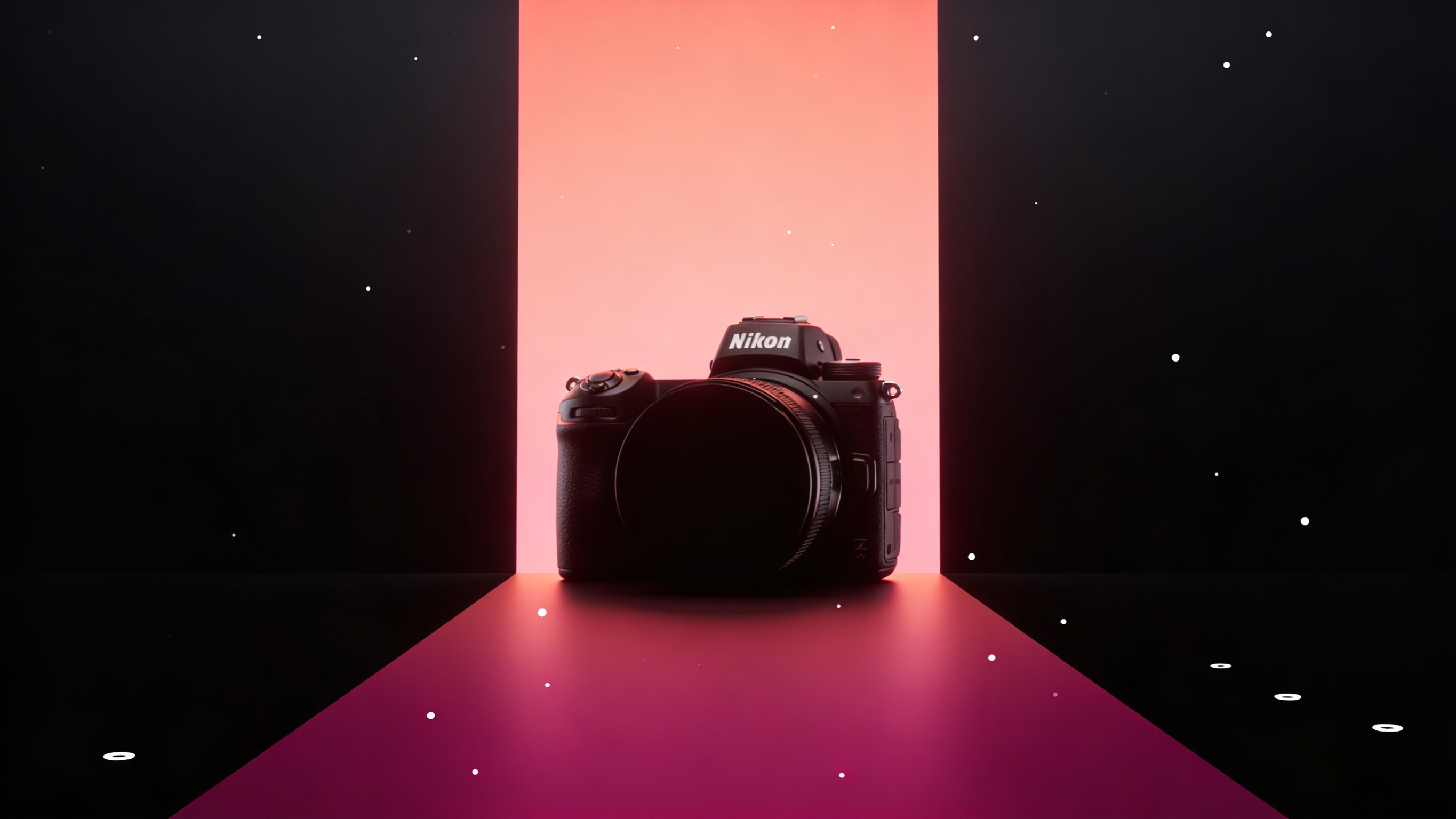
The photography industry has spent the past two years drawing a clear line between human craft and machine output. Brands that position themselves on the human side of that line carry a particular weight of expectation. When they stumble, the fall is proportional to the height of the claim.
Nikon is the latest brand to discover this. The camera manufacturer launched a campaign framing its hardware as the tool of authentic, human-made imagery, a direct counter-positioning to the AI-generated visuals flooding commercial photography. The message was clean, the creative instinct was sound, and the execution collapsed at the one place it couldn't afford to: the relationship with the photographers themselves.
What the Campaign Said
The campaign leaned into the idea that real photography carries weight precisely because a human made a choice, pressed a shutter, and stood somewhere to capture something. It was a positioning move as much as a product push, designed to reinforce Nikon's identity among working photographers at a moment when their profession faces structural pressure from generative tools. The creative direction pointed toward authenticity, specificity, and the irreducible value of craft. On paper, it aligned with what Nikon's core audience already believes about their own work.
What Actually Happened
According to reporting, the photographers who contributed their images to the campaign were not paid for that use. The specifics vary across individual cases, but the pattern is consistent enough to have become the story. A brand that publicly argued for the value of human-made photography then treated the people who made those photographs as if their labor was optional. The contradiction was not subtle. Photographers surfaced it quickly, and the criticism spread through exactly the professional communities Nikon was trying to court.
Why the Irony Cuts Deeper Than Usual
Most brand missteps involve a gap between messaging and product. This one involves a gap between messaging and the brand's direct treatment of the people the messaging was designed to honor. Nikon wasn't claiming to make the best autofocus system. It was claiming to stand for human photographers. That framing made the unpaid-labor story structurally devastating, because the campaign's entire premise depended on the audience believing Nikon respected the craft. The moment that belief breaks, the creative rationale for the campaign breaks with it.
The Timing Makes It Worse
This story lands in a specific industrial moment. More than 200 artists, including Billie Eilish and Nicki Minaj, recently signed an open letter calling for protections against exploitative AI practices in music. Deezer and Ipsos published research showing AI-generated content fools 97% of listeners. The broader conversation about fair compensation for human creative work is louder than it has been in years. A camera brand stumbling over photographer payment inside that conversation reads as either profound carelessness or a failure to understand what market it was operating in.
What Agencies Should Take From This
Any campaign built on an identity claim requires internal consistency. If the claim is craft, every touchpoint involving craft practitioners must honor that claim materially, not just rhetorically. This includes licensing, payment timelines, credit structures, and usage rights. Agencies building similar positioning work for clients in creative tools, hardware, or media need to audit the execution chain before the campaign goes live. Brand trust erodes fastest when the internal behavior contradicts the external voice. The creative rationale of this campaign was legitimate. The operational failure negated it.
Nikon has not issued a detailed public response as of publication. Whether the photographers involved receive retroactive compensation will determine whether this becomes a footnote or a case study in how to undermine your own positioning.
The deeper question this raises for the industry is structural. As more brands rush to claim the human-made, authentic, craft-forward side of the AI debate, the scrutiny on how they treat human makers will intensify. Audiences are increasingly fluent in spotting the gap between what a brand says about creativity and how it actually compensates it. Nikon built a campaign on that gap and then fell into it. The lesson isn't complicated: if you're going to make photographers the argument, pay the photographers.